


Chronic prostatitis is an inflammatory process of the prostate gland in men, with a long-term (more than six months) course.
Usually, this pathology is the result of an infectious process.
The treatment of chronic prostatitis is aimed at destroying the causative agent of the infection.
Lack of such treatment can lead to the development of various functional disorders and complications, including male infertility.

Causes of chronic prostatitis Various pathogenic (disease-causing) microorganisms lead to the development of an inflammatory reaction with its long course.
There are 2 main groups of pathogens of chronic prostatitis:
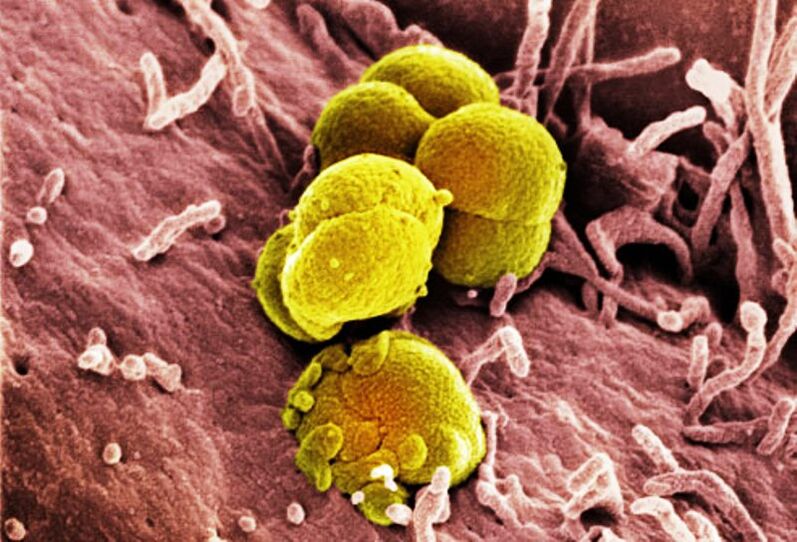
- Non-specific bacterial infection– pathogenic microorganisms that can lead to the development of an inflammatory reaction in various organs.These include streptococci, Escherichia coli, Klebsiella, Proteus and staphylococci.
- Specific infection.Pathogenic microorganisms parasitize only in the structures of the male urogenital tract (chlamydia, ureaplasma, trichomonas).
For the subsequent selection of rational etiotropic therapy, it is necessary to know the cause of the development of the chronic inflammatory process of the prostate.
Its purpose is to destroy the causative pathogen.
Other factors can also cause the development of chronic prostatitis.
Stagnation of blood in the pelvis leads to insufficient oxygen exchange in organ tissues.
This affects their regeneration and resistance to infection.
The general reduction of the body's defense function causes the development of inflammation.
Lack of physical activity has a harmful effect on human health and leads to a decrease in the body's defenses.
Factors leading to the development of chronic prostatitis include problems in the patient's intimate life.
This includes the cessation of sexual intercourse without ejaculation, irregular sex life and long periods of abstinence.
The consequences of injuries often affect the state of the genitals.
Overwork and stressful situations, along with other causes, can cause prostate problems.
Drinking large amounts of alcohol and smoking lead to disruption of the male reproductive system.
Classification of prostatitis
There are three types of disease:
- Bacterial;
- Non-bacterial;
- Prostatodynia.
The first type is characterized by the identification of microorganisms in the exudate.
Antibacterial drugs are needed to treat this type.
A non-bacterial condition is a condition in which there are no bacteria in the secretion of the gland.
Prostatodynia is a process when the patient shows symptoms typical of prostatitis, but there are no abnormalities in the analysis of prostate secretions.
Treatment of chronic prostatitis with concomitant pathology
Patients with prostate problems often have other problems as well.
These can be cardiovascular diseases, respiratory and digestive diseases.
The treatment regimen for such patients will be different.
In order to set the treatment correctly, proper diagnostics must be carried out.
In such cases, narrow experts may be involved in the consultation.
Treatment of chronic prostatitis in young people
Under the age of 30, the cause of prostatitis is often an infectious agent.
This is due to the lifestyle of young people.
Premature treatment of bacterial and viral infections has an impact.
A promiscuous sex life, neglect of hygiene and a sedentary lifestyle play a role.
Patients rarely consult a doctor at the first signs of the disease.
The disease progresses and becomes chronic.
It is worth paying attention to these problems and minimizing the risk of their impact.
For preventive purposes, an examination once a year is recommended.
Treatment of obesity
The problem of extra pounds can have a negative effect on a man's internal organs.
Increased cholesterol, blood pressure and glucose lead to metabolic disorders.
Lack of constant physical activity causes stagnation of blood in the pelvic organs and contributes to the development of inflammation.
Timely weight loss and prevention can have a beneficial effect on overall health.